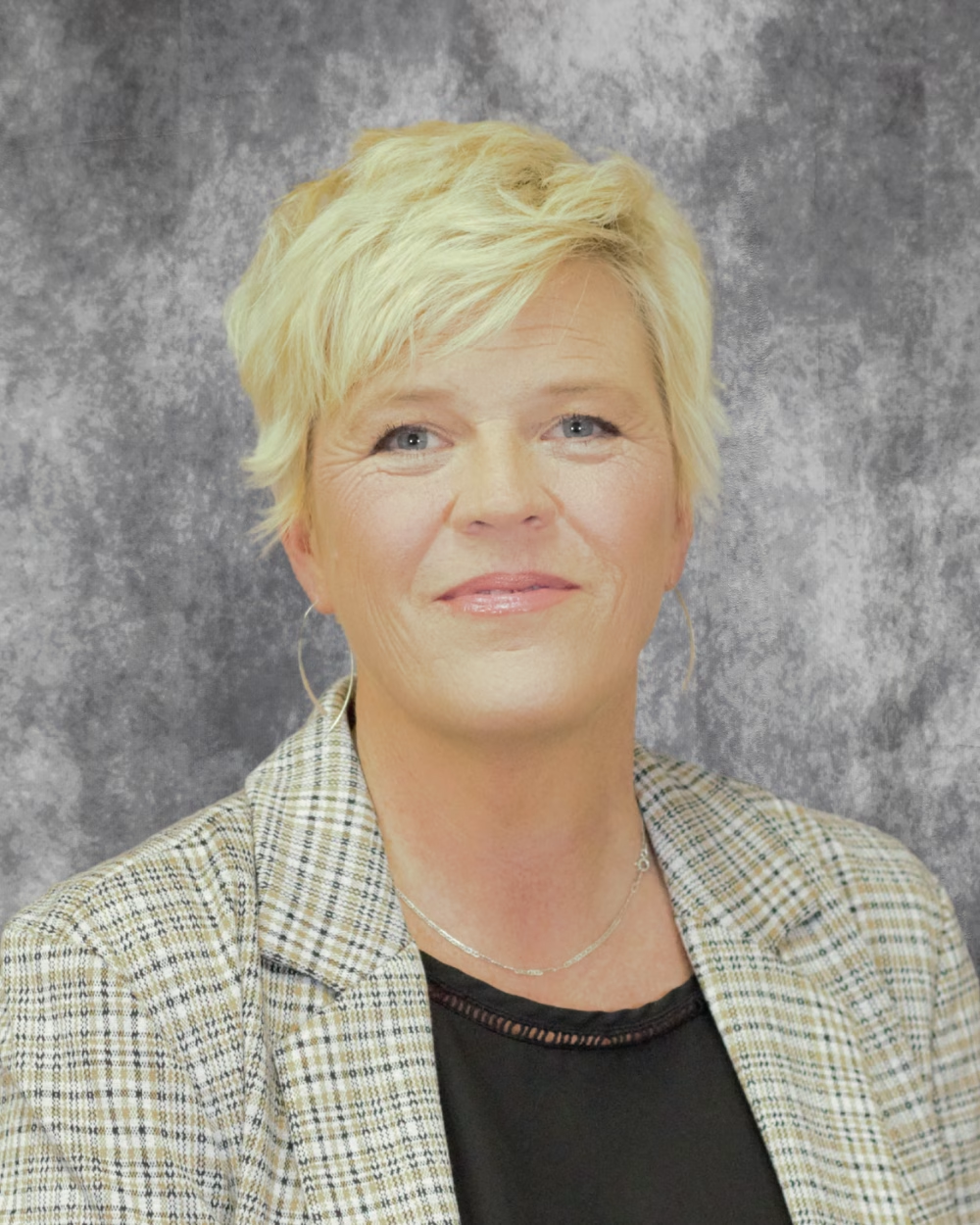
Nikki Klingaman, a case facilitator with Northeastern Center, talks about what a case facilitator does and how they positively contribute to recovery.
What is a case facilitator?
A case facilitator, sometimes called a case manager or skills coach, works alongside an individual living with a mental health or substance use disorder to assist them with things like:
- Learning or developing daily living skills.
- Accessing resources.
- Coordinating care.
- Helping to advocate for and support them in getting the specific help they need to thrive.
A case facilitator works in collaboration with the rest of an individual’s care team. They help the client work toward independence by identifying goals, building confidence, encouraging them, and identifying strengths and learning how to use those strengths.
What are some challenges that case facilitators help navigate?
Case facilitators can help navigate a wide range of challenges someone might be facing. This can include things such as:
- Daily structure.
- Budgeting.
- Grocery shopping.
- Meal planning.
- Coping skills.
- Maintaining housing.
- Hygiene.
- Transportation.
- Accessing health benefits.
- Accessing other community benefits.
What are some common misconceptions about case facilitation?
One of the biggest misconceptions is that individuals think their case facilitator is going to dictate what to do with their life or treatment. That is not the case! A case facilitator works alongside their client to learn their goals and provide the support needed to achieve those goals.
How can someone access case facilitation services?
Accessing case facilitation as another treatment option is easy! If you are already a Northeastern Center client, simply reach out to your care team to see if adding case facilitation to your plan could be right for you.
If you aren’t a Northeastern Center client yet, visit www.nec.org/newclients to get started.