We asked Hannah Baughman, director of our Community Health and Outreach Center, who also happens to be a QPR trainer and leader of our Zero Suicide Committee, to explain QPR and the role it plays in suicide prevention.
What is QPR?
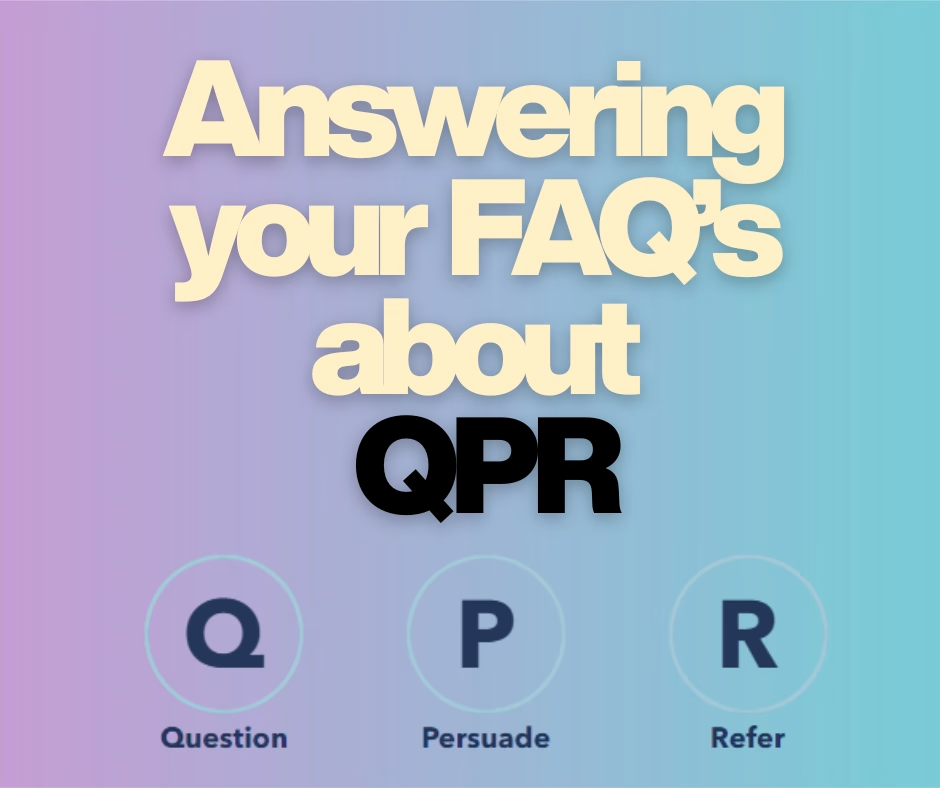
QPR stands for Question, Persuade, and Refer. It's a straightforward approach that equips everyday people with the ability to recognize warning signs of suicide, offer support, and help connect individuals to professional care. Just like CPR is a basic lifesaving skill that anyone can learn to help someone in physical crisis, QPR is a practical and effective tool for responding to someone who may be experiencing a mental health crisis.
Do I need to be a mental health professional to learn QPR?
No, you don't have to be a therapist, case manager, or medical provider of any kind to learn or use QPR. Anyone, whether it's family members, friends, coworkers, neighbors, etc., can be trained in QPR and utilize it in their everyday lives.
The goal of QPR isn't to provide treatment or replace the role of a clinician. Rather, it helps bridge the gap between someone's moment of crisis and the care they need.
Is QPR difficult to learn or use?
No, it's not difficult to learn or use. QPR is accessible, easy to use, and effective. In behavioral health and crisis response work, we often reinforce the importance of meeting people where they are; QPR helps us do just that. It provides you with the tools to respond in the moment with empathy and confidence.
Why does Northeastern Center offer QPR training to employees and the community?
For organizations like Northeastern Center, QPR strengthens our commitment to prevention, early intervention, and community engagement. It's also a valuable tool to have in outreach, peer support, and frontline roles, where trust and connection are essential.
How does QPR play a role in suicide prevention?
QPR doesn't replace therapy, hospitalization, or emergency care, just like CPR doesn't replace an ambulance or a hospital. But when used early and often, it can save lives. It fosters an environment where it's okay to ask difficult questions and where people know they're not alone. When communities are trained and ready to use QPR, we're all safer.
How can I get trained in QPR?
Northeastern Center has a free community QPR training coming up on Friday, Sept. 26, at the Community Learning Center in Kendallville. This session is free and open to any adults in the community, but registration is required. To register, visit bit.ly/NEC-QPR and fill out the simple, three-question form with your information.
Northeastern Center also offers free QPR training for groups, such as businesses, clubs and other organizations, throughout the year. To schedule a training session or learn more, email training@nec.org.